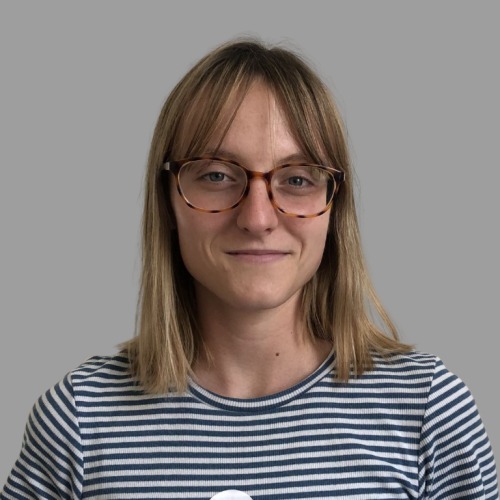
Dr. Nicola Storch
Surrey and Sussex Healthcare Trust
Dr. Nicola Storch is a Dental Core Trainee at East Surrey Hospital, focusing on special care and paediatric dentistry. A 2022 graduate of Barts and The London, she has experience in primary care and community dental services. Passionate about inclusive care, she is dedicated to supporting children and adults with disabilities in accessing quality dental treatment.
United Kingdom
Abstracts
An audit to assess the complexity of special care dentistry patients treated under anaesthetist-led sedation and general anaesthetic at East Surrey Hospital
Special care dentistry patients often require substantial support to access dental care including a theatre setting due to complex medical histories, or pre-medication to support challenging behaviours. This audit assessed whether the complexity of special care patients treated in a theatre environment for general anaesthesia (GA)/anaesthetist-led sedation met national commissioning standards for level 3 care which entails specialist/consultant-led care.
The British Dental Association Case Mix tool was used to retrospectively analyse 30 special care patients attending theatre for dental treatment. Additional details were also recorded including medical history, pre-medication, and multi-disciplinary care. The standard was that 100% of patients should meet level 3 complexities.
30/30 (100%) of patients were level 3 complexity. 24/30 patients had severe learning disabilities, often with autism/epilepsy. 15/30 had GA and 15/30 had anaesthetist-led sedation. 18/30 patients required a pre-medication, most frequently 37.5mg oral midazolam. 15/30 patients underwent additional procedures including blood tests, optician/podiatry assessments, haircuts, and urinary tests.
There was a 100% compliance with audit standard. This audit was presented to the local Integrated Care Board informing upcoming commissioning decisions, allowing targeted commissioning of consultant/specialist services and facilitating the right staff in the right place for patients requiring complex support.
Case Report: Dental sedation with combined use of midazolam premedication and intravenous remimazolam
Remimazolam, a short-acting benzodiazepine, is increasingly used for dental sedation in the UK. Current guidance from the Intercollegiate Advisory Committee on Sedation in Dentistry advises that remimazolam and midazolam should not be routinely used together. At the time of writing, there is no published literature describing the combined use of midazolam pre-medication with intravenous remimazolam.
This poster presents a case report in which 20mg oral midazolam premedication was followed by 16mg intravenous remimazolam to assist an autistic patient with a severe learning disability in receiving dental treatment. Previously, he had undergone intravenous sedation with midazolam but required reversal with flumazenil post-treatment, as he became distressed and repeatedly attempted to stand up before fully recovering. Remimazolam was therefore selected due to its faster uptake and recovery.
Dental treatment was successfully carried out, and recovery was uneventful with no need for supplemental oxygen or flumazenil. The patient was discharged 39 minutes later. The combined use of midazolam and remimazolam can support faster recovery and minimise complications in a cohort with multiple comorbidities, particularly when initial sedation is delivered via oral or transmucosal routes. However, further research is needed to assess the synergistic effects of these two benzodiazepines.
Featured 2026 Speakers
Speakers of The Club
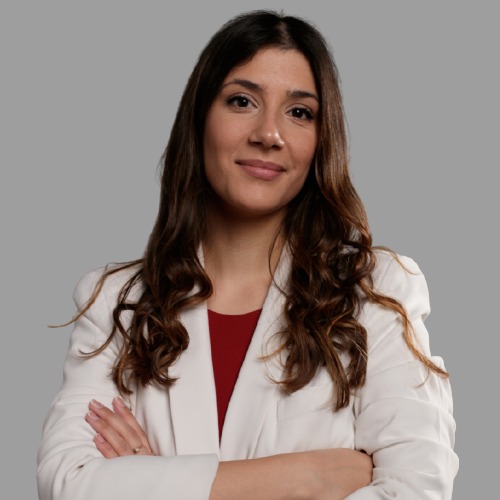
Dr. Jelena Grastic
PCM Trainer
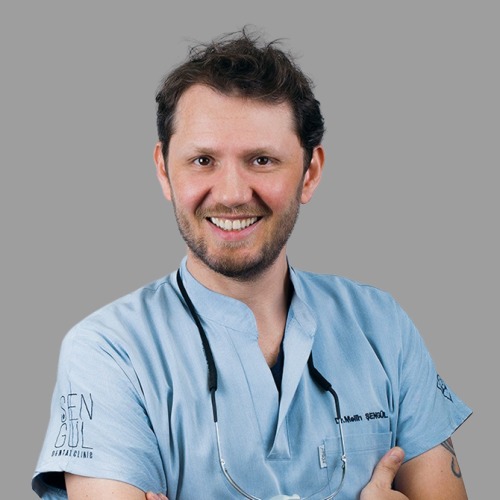
Dr. Melih Sengul
Dentipedia Academy
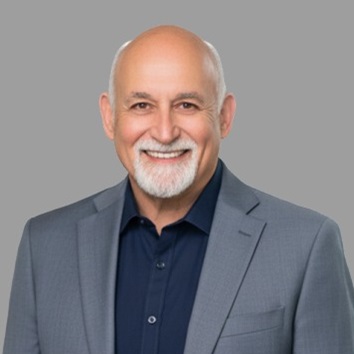
Roger L. Price
Author - The Way We Breathe is Killing Us
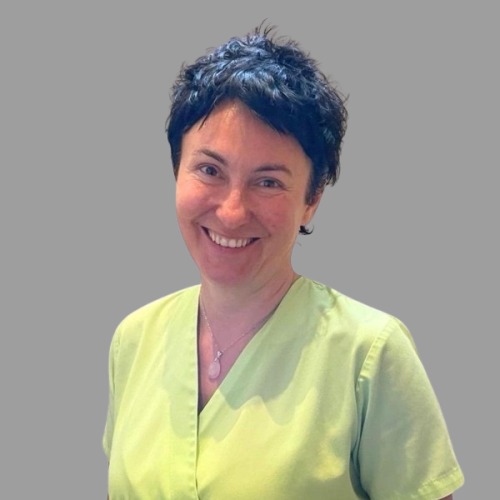
Dr. Kalina Borska
Author of The Borska Protocol
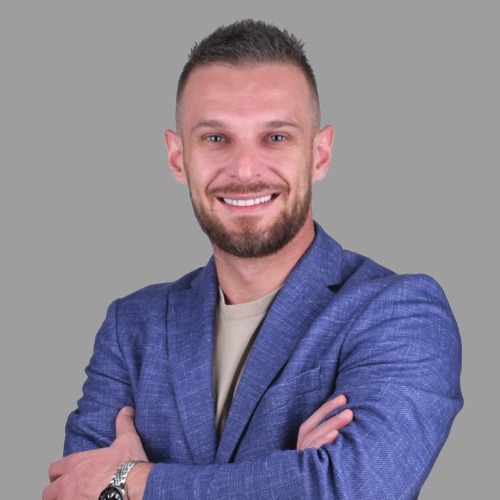
Dr. Salem Jusic
Dr Salem Dental Clinic
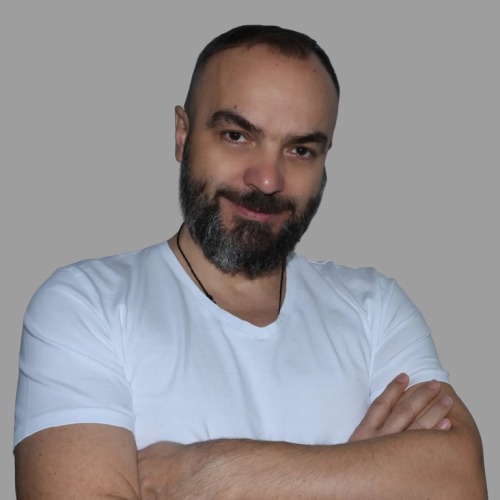
Dr. Dusan Miljus
Master of Periodontology and Implantology
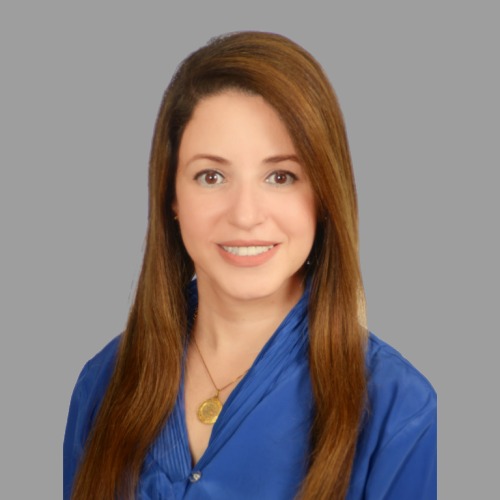
Dr. Rasha Hamouda
Pharos University in Alexandria
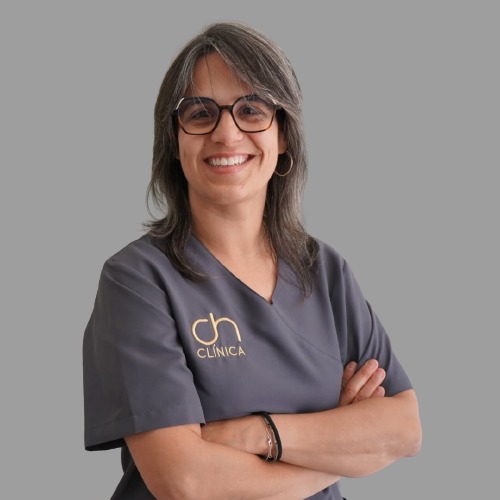
Dr. Beatriz Chaves
University of the Basque Country
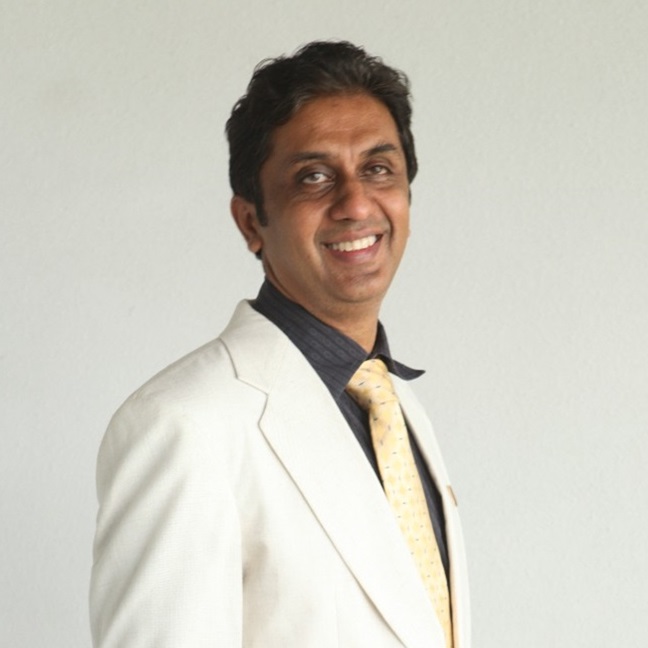
Dr. Ajay Kakar
Smylist ® Academy
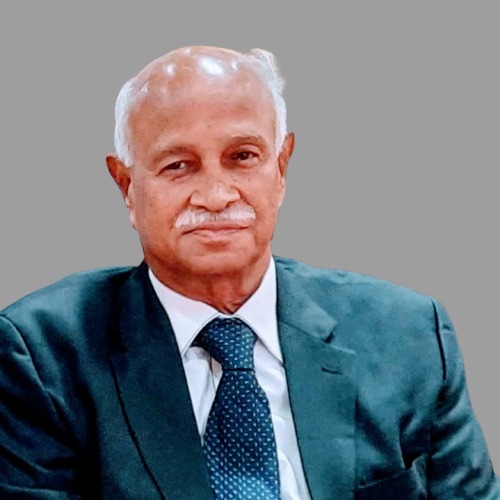
Prof. Dr. Gururaja Rao
Past President Indian Association of Oral and Maxillofacial Pathologists
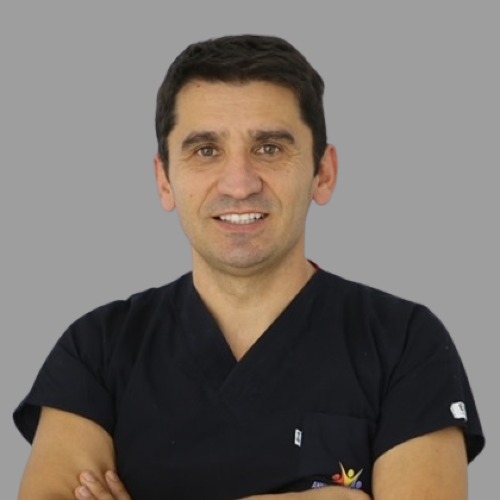
Dr. Besim Hajdari
University of Prishtina
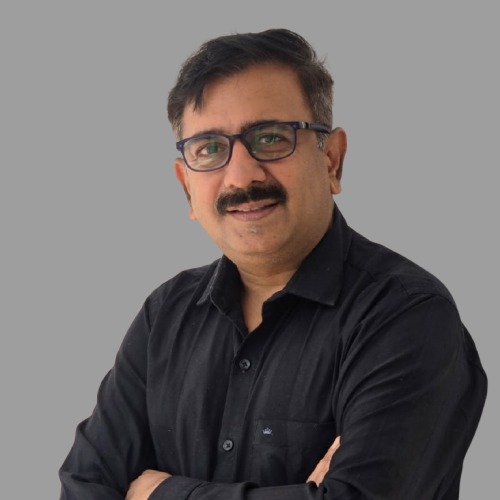
Dr. Dattatraya Bhajibhakare
Dr. Dattas Digital Dental
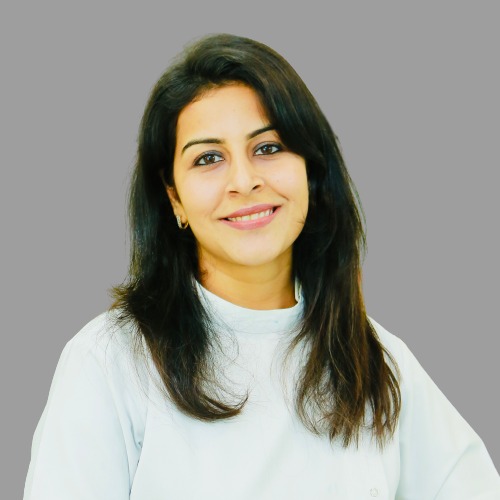
Dr. Shveta Setia
Artistree Dentals and Cosmetic Clinic
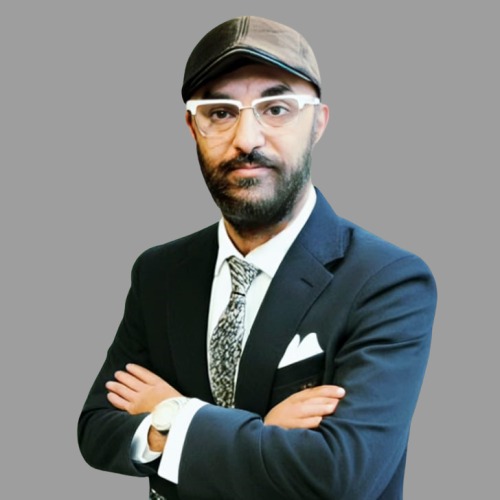
Prof. Dr. Preetinder Singh
Academy of Oral Surgery
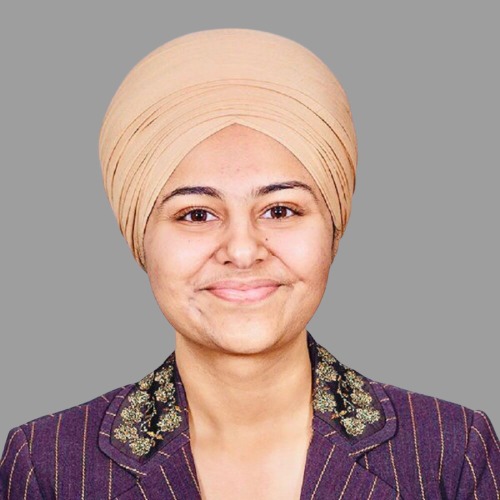
Dr. Jasdeep Kaur Cheema
Nuvia Dental Implant Center
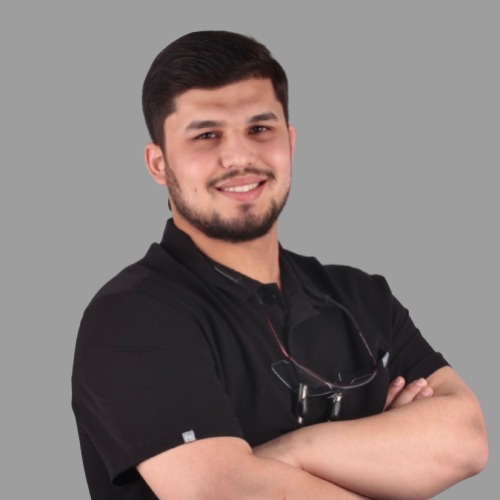
Dr. Nosirdzhon Karimov
Sahih Digital Med
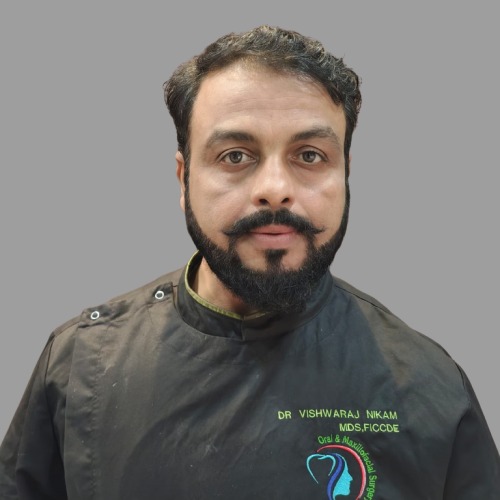
Dr. Vishwaraj H Nikam
Rangoonwala Dental College
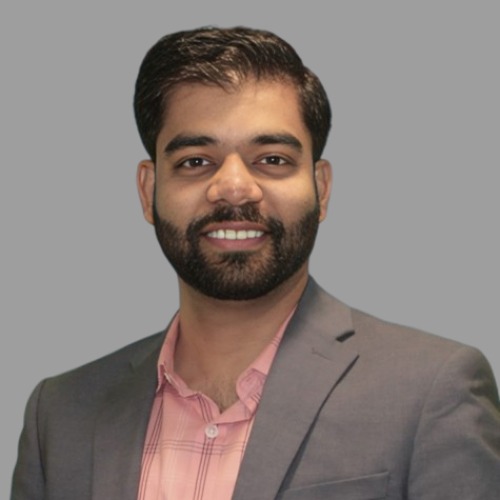
Dr. Sufiyan M. K
AAPI (All About Prosthodontics and Implantology)
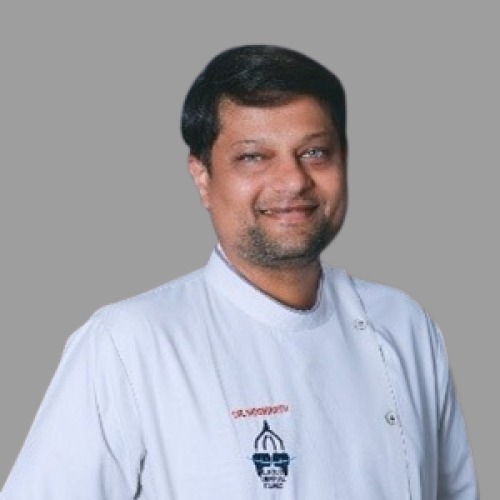
Dr. Siddharth Phadkule
Latur Dental Clinic and Orthodontic Centre
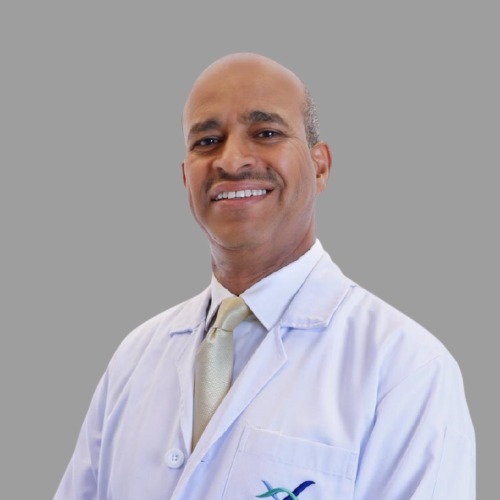
Dr. Adel Al Asfour
International Hospital
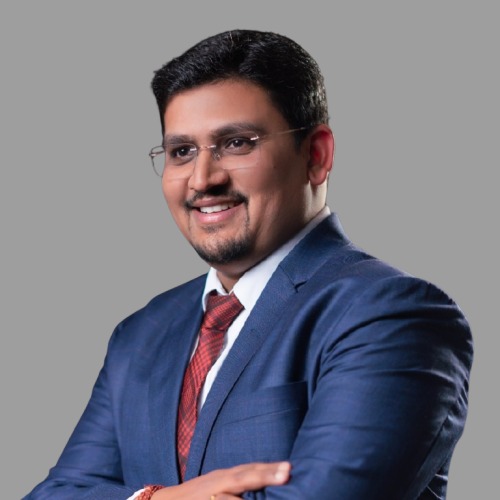
Dr. Prem Bhushan
Awadh Dental College
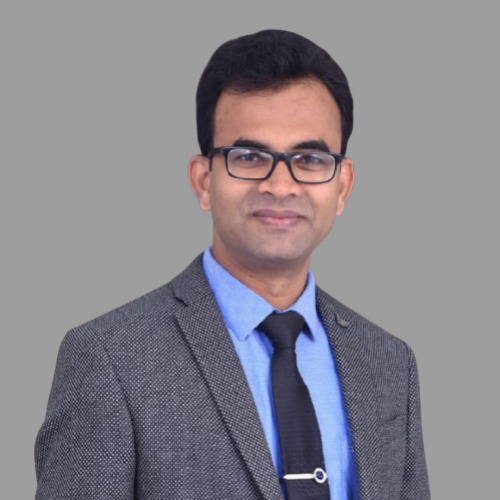
Dr. Nagesh Dolore
Orofit Dental Experts
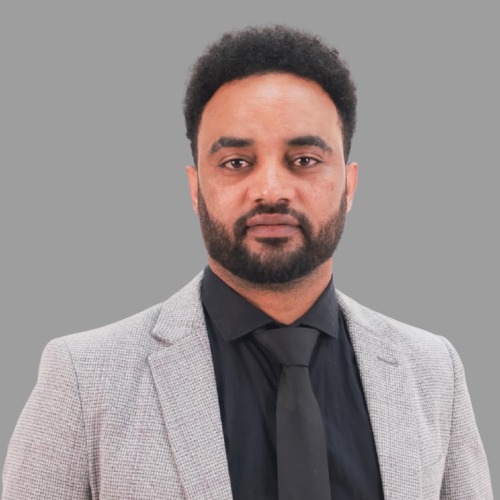
Dr. Ashenafi Hailay
Mekelle University
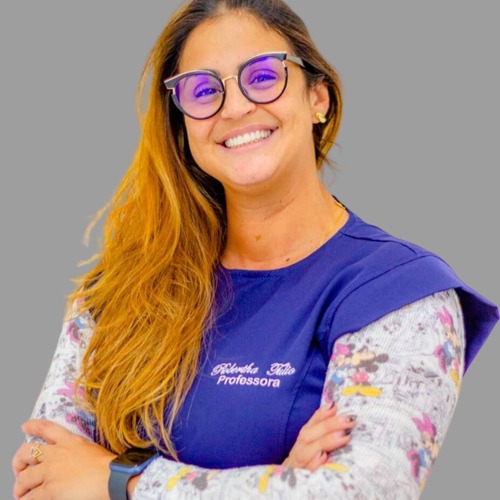
Prof. Dr. Robertha Tulio
CRORJ's Technical Chamber of Anesthesia and Sedation in Dentistry