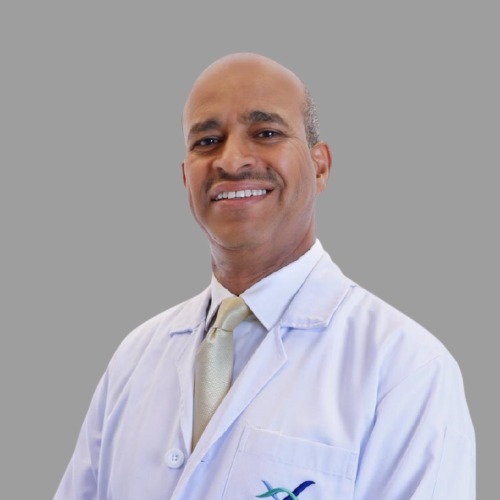
Dr. Adel Al Asfour
International Hospital
Dr. Adel Al-Asfour is a distinguished Oral and Maxillofacial Surgeon from Kuwait and a recertified Diplomate of the American Board of Oral and Maxillofacial Surgery. A former Dean of the College of Dentistry and College of Allied Health at Kuwait University, he is widely recognized for his leadership in dental education, clinical excellence, and research. Dr. Al-Asfour’s expertise spans orthognathic surgery, dental implants, TMJ disorders, and bone grafting. As an Affiliate Fellow of the International Association of Oral and Maxillofacial Surgeons, he continues to advance oral health care and innovation in Kuwait and beyond.
Kuwait
Abstracts
Growth suppression of oral squamous cell carcinoma cells by lactobacillus acidophilus
Objectives:
Oral squamous cell carcinoma (OSCC) is a highly aggressive form of oral cancer. Probiotic Lactobacillus have shown anticancer effects, whilst their interaction with Streptococcus mutans in this context remains unexplored. The objective of this study was to investigate the antiproliferative effect of Lactobacillus acidophilus on SCC and to understand the effect of S mutans on OSCCs and whether it effects the antiproliferative potential of L acidophilus when co-exposed to OSCC.
Methods:
The human head and neck squamous cell carcinoma cells of the oral cavity (HNO97 cell line) were exposed to cultures of L acidophilus and S mutans separately and in combination. Further, 3-(4,5-dimethylthiazol-2-yl)-2,5-diphenyltetrazolium bromide (MTT) assay was performed to assess the viability of HNO97 cells. Bacterial adhesion to HNO97 cells was examined by confocal microscopy and apoptosis, expression of the tumor necrosis factor (TNF)-related apoptosis-inducing ligand (TRAIL) gene and protein were determined by real-time polymerase chain reaction and quantitative enzyme-linked immunosorbent assay, respectively.
Results:
A significant decrease (53%-56%) in the viability of HNO97 cells on exposure to L acidophilus, S mutans and 2 species together demonstrated the antiproliferative activity of L acidophilus and S mutans. Both bacteria showed adhesion to HNO97 cells. The expression of the TRAIL gene increased 5-fold in HNO97 cells on treatment with L acidophilus and S mutans, which further increased to ~ 17-fold with both species present. Expression levels of the trail protein were significantly increased in bacteria-treated cell lysates. Further, bacteria-treated HNO97 cells exhibited lower live and intact cell percentage with higher proportions of cells in early and late apoptotic stages.
Conclusion:
L acidophilus exhibits the antiproliferative activity against OSCC cells possibly partially via a TRAIL-induced mechanism of apoptosis, which is not affected by the presence of S mutans. These findings may encourage further investigation into the possible therapeutic application of probiotic L acidophilus in OSCC.
Featured 2026 Speakers
Speakers of The Club
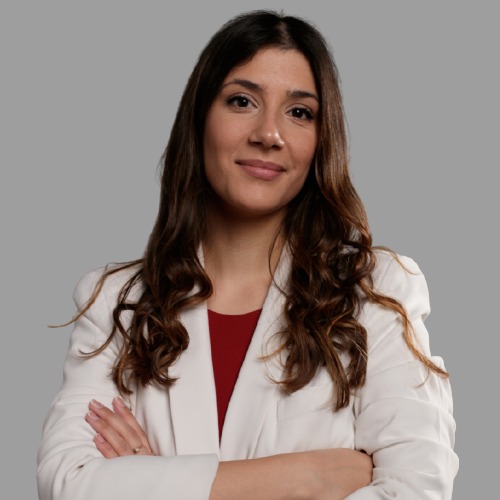
Dr. Jelena Grastic
PCM Trainer
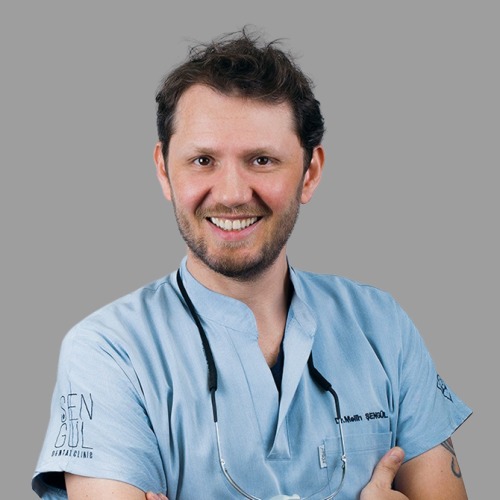
Dr. Melih Sengul
Dentipedia Academy
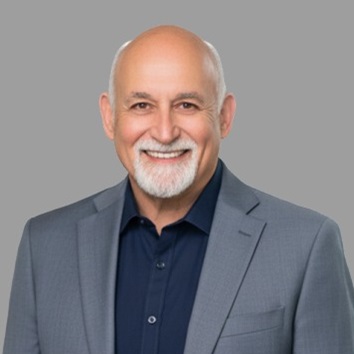
Roger L. Price
Author - The Way We Breathe is Killing Us
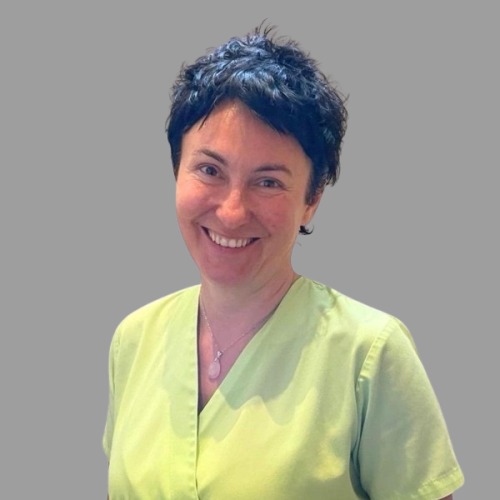
Dr. Kalina Borska
Author of The Borska Protocol
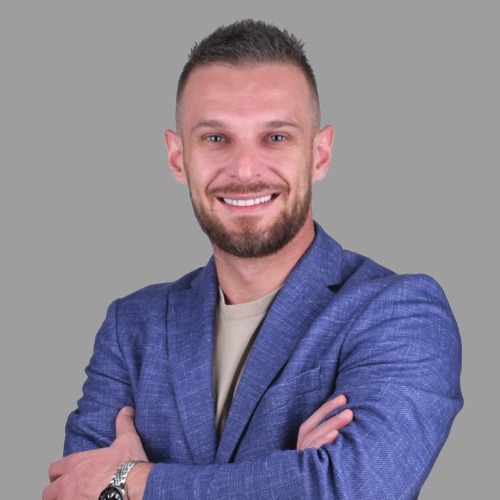
Dr. Salem Jusic
Dr Salem Dental Clinic
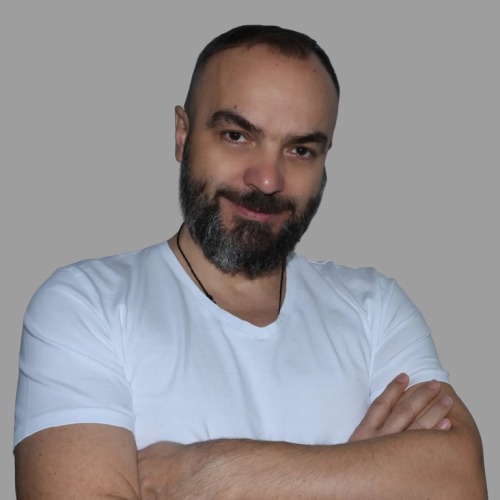
Dr. Dusan Miljus
Master of Periodontology and Implantology
Dr. Rasha Hamouda
Pharos University in Alexandria
Dr. Beatriz Chaves
University of the Basque Country
Dr. Ajay Kakar
Smylist ® Academy
Prof. Dr. Gururaja Rao
Past President Indian Association of Oral and Maxillofacial Pathologists
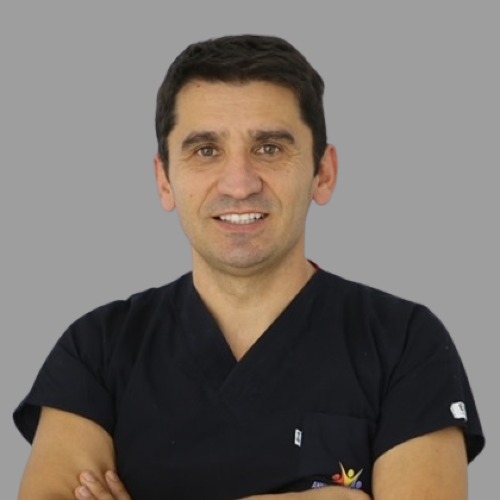
Dr. Besim Hajdari
University of Prishtina
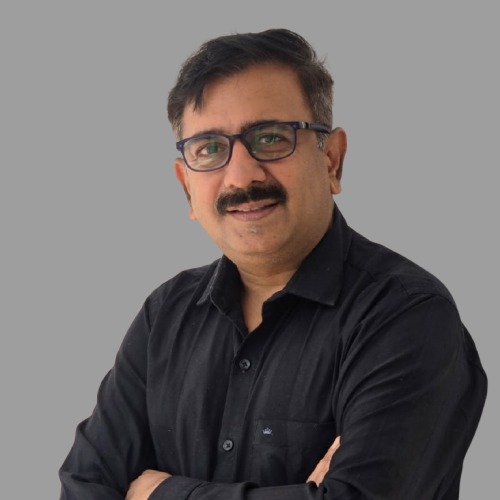
Dr. Dattatraya Bhajibhakare
Dr. Dattas Digital Dental
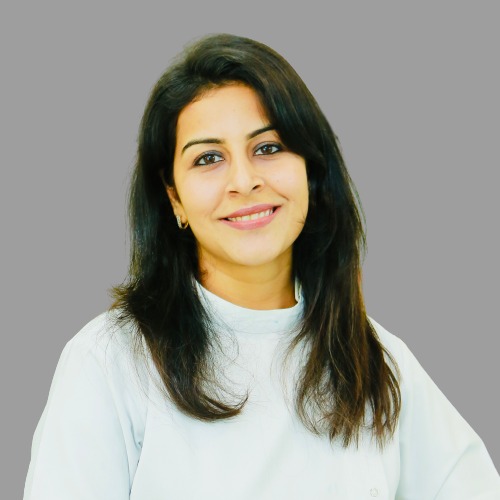
Dr. Shveta Setia
Artistree Dentals and Cosmetic Clinic
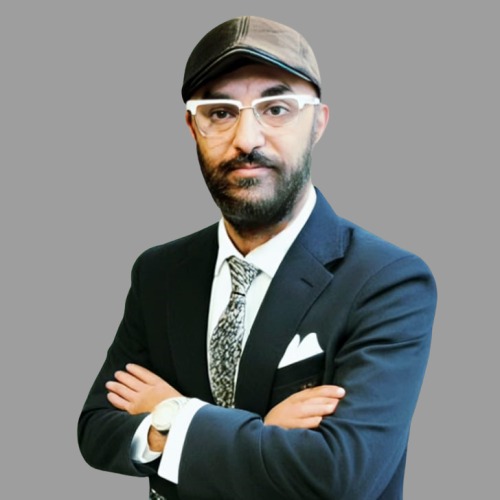
Prof. Dr. Preetinder Singh
Academy of Oral Surgery
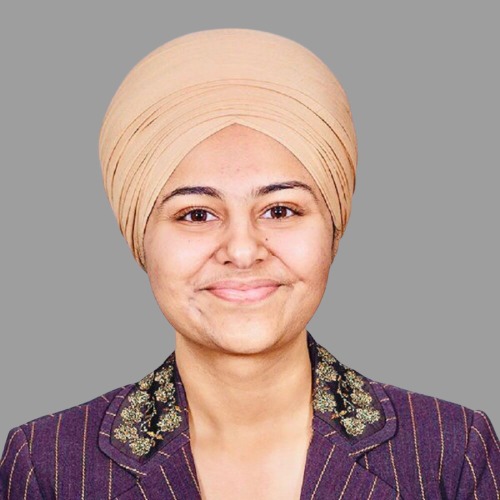
Dr. Jasdeep Kaur Cheema
Nuvia Dental Implant Center
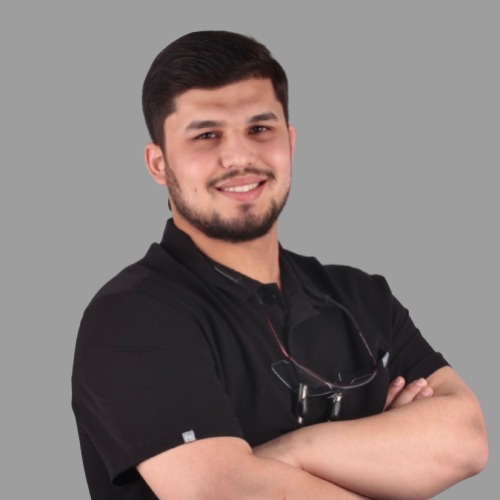
Dr. Nosirdzhon Karimov
Sahih Digital Med
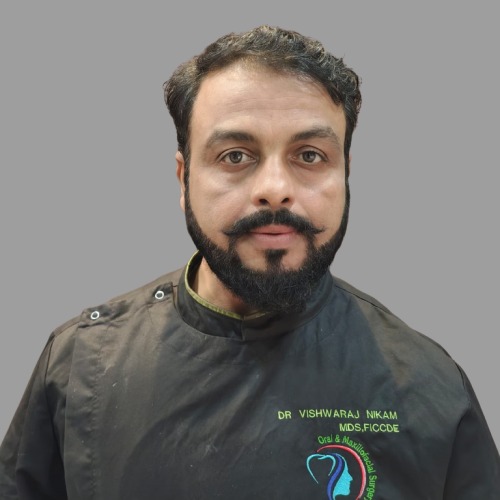
Dr. Vishwaraj H Nikam
Rangoonwala Dental College
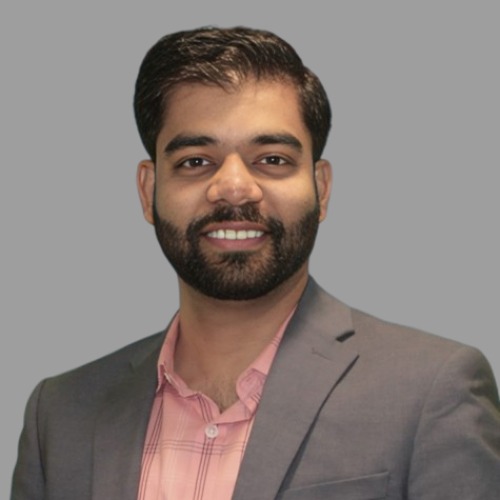
Dr. Sufiyan M. K
AAPI (All About Prosthodontics and Implantology)
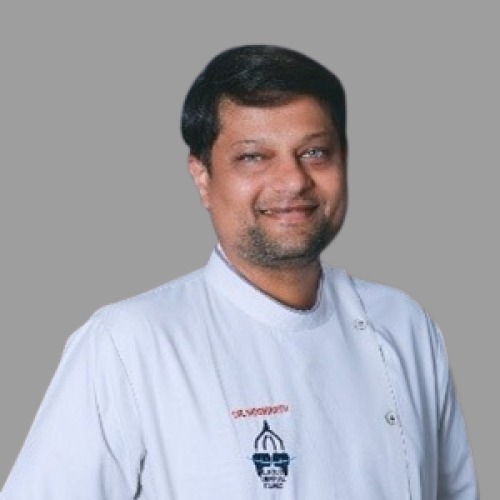
Dr. Siddharth Phadkule
Latur Dental Clinic and Orthodontic Centre
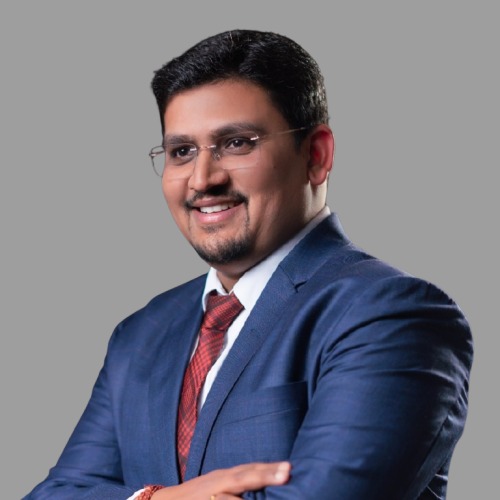
Dr. Prem Bhushan
Awadh Dental College
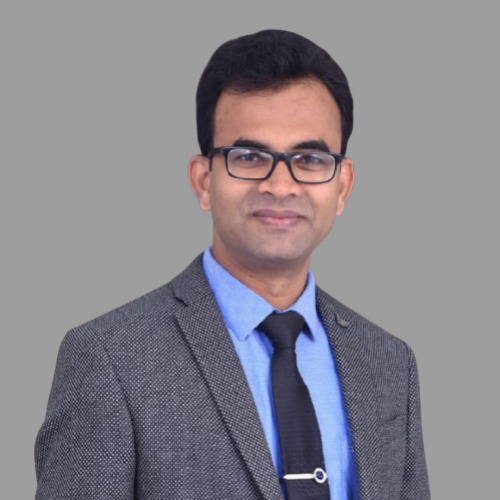
Dr. Nagesh Dolore
Orofit Dental Experts
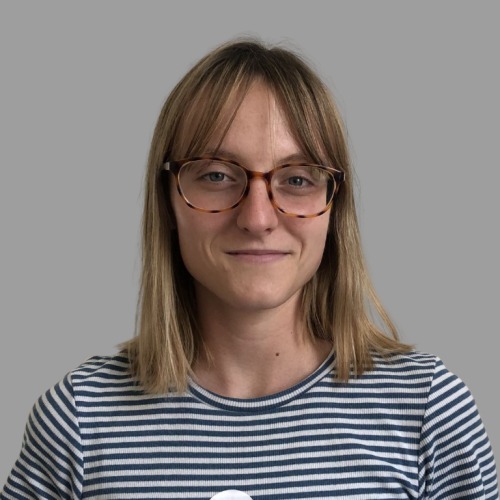
Dr. Nicola Storch
Surrey and Sussex Healthcare Trust
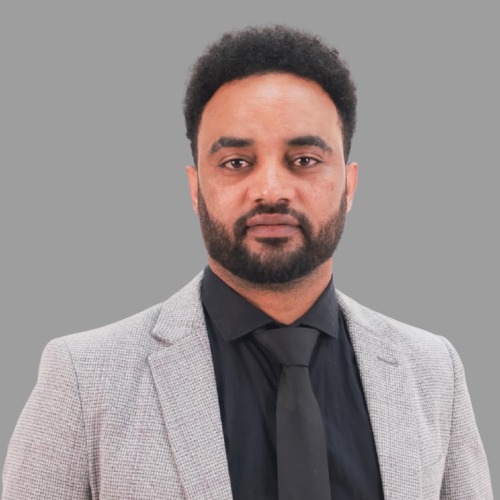
Dr. Ashenafi Hailay
Mekelle University
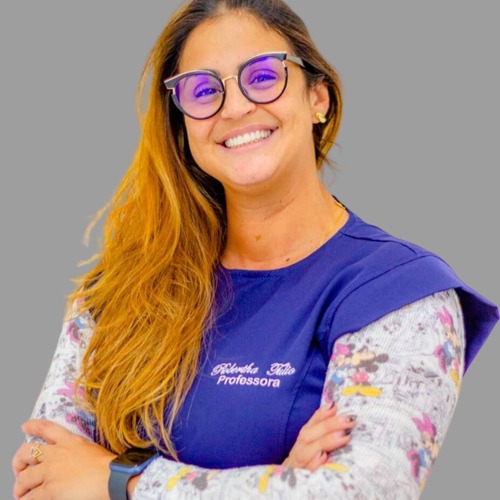
Prof. Dr. Robertha Tulio
CRORJ's Technical Chamber of Anesthesia and Sedation in Dentistry